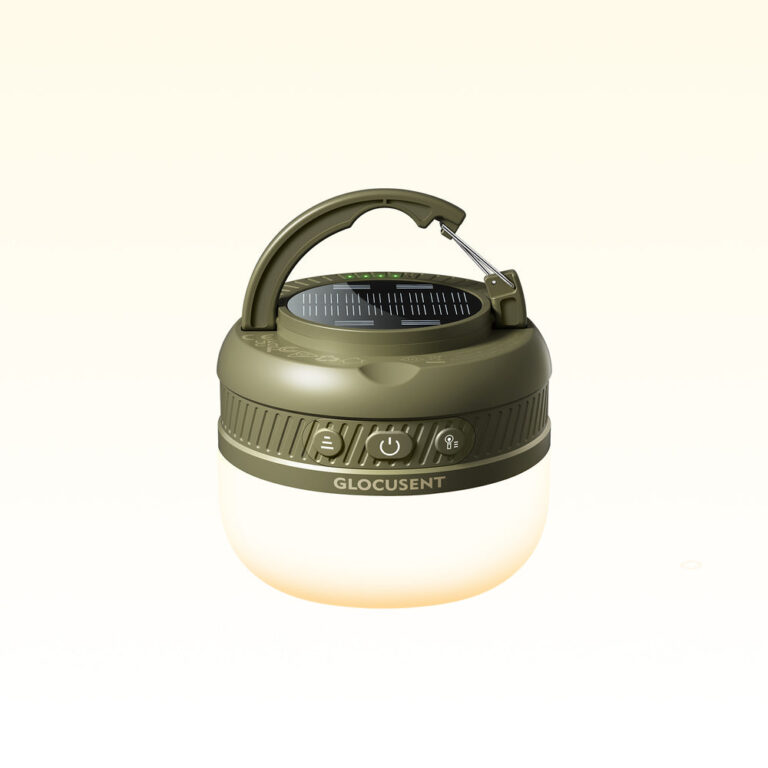
The Solar Rechargeable Pocket Lantern features 60 LEDs with stepless dimming (15-250 lumens) and reverse charging, while the 135 LED Survival Lantern offers 360° light covering 200 ft² and up to 200-hour runtime. Choose the Solar for adjustable brightness and power bank functionality, or the 135 LED for maximum illumination and emergency use.
If you’re comparing the Glocusent Solar Rechargeable Pocket Camping Lantern vs the Glocusent 135 LED Ultra Bright Survival Camping Lantern, here’s what the brand’s published specs reveal.
Both lanterns share a 5000mAh battery and 3.5-hour charge time, but differ in LED count, coverage, and runtime. We’ve analyzed the data to help you decide which fits your camping or emergency needs.
Side-by-side comparison
| Glocusent Solar Rechargeable Pocket Camping Lantern | Glocusent 135 LED Ultra Bright Survival Camping Lantern & Emergency Light | |
|---|---|---|
| LED Count | 60 | 135 |
| Brightness Range | 15-250 lumens (stepless) | Not stated by the brand |
| Coverage Area | 161 ft² | 200 ft² |
| Runtime | Up to 120 hours | Up to 200 hours (on low) |
| Battery Capacity | 5000mAh | 5000mAh |
| Charging Time | 3.5 hours | 3.5 hours |
| Charging Port | Type-C | USB-C |
| Special Features | Reverse charging | Not stated by the brand |
| Return Policy | 30-day money-back promises | 30-day money-back promises |
Choose Glocusent Solar Rechargeable Pocket Camping Lantern if
- Best for precise brightness adjustment with stepless dimming from 15 to 250 lumens.
- Best for users who need reverse charging capability to power other devices.
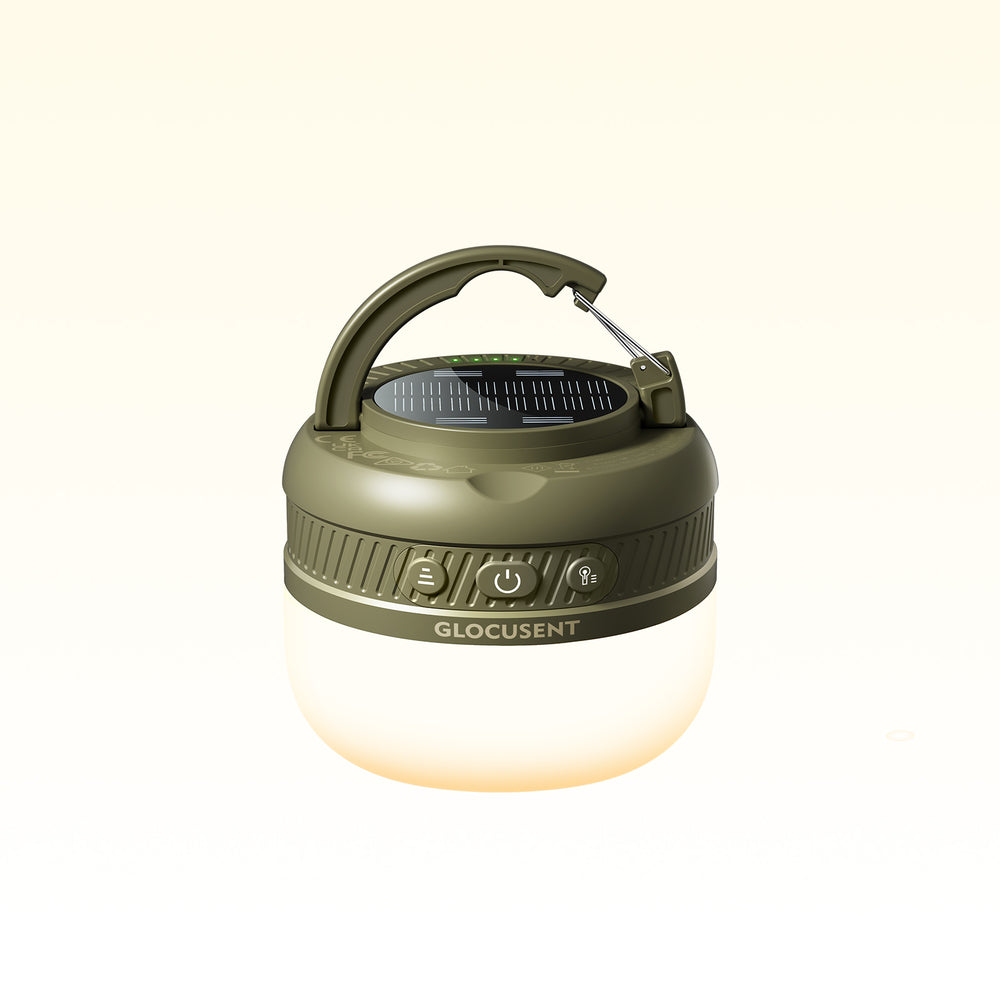
- Best for compact, semi-cylindrical design that provides shadow-free light in a smaller footprint.
Choose Glocusent 135 LED Ultra Bright Survival Camping Lantern & Emergency Light if
- Best for maximum brightness and coverage with 135 LEDs illuminating 200 ft².
- Best for extended runtime up to 200 hours on low for multi-day trips.
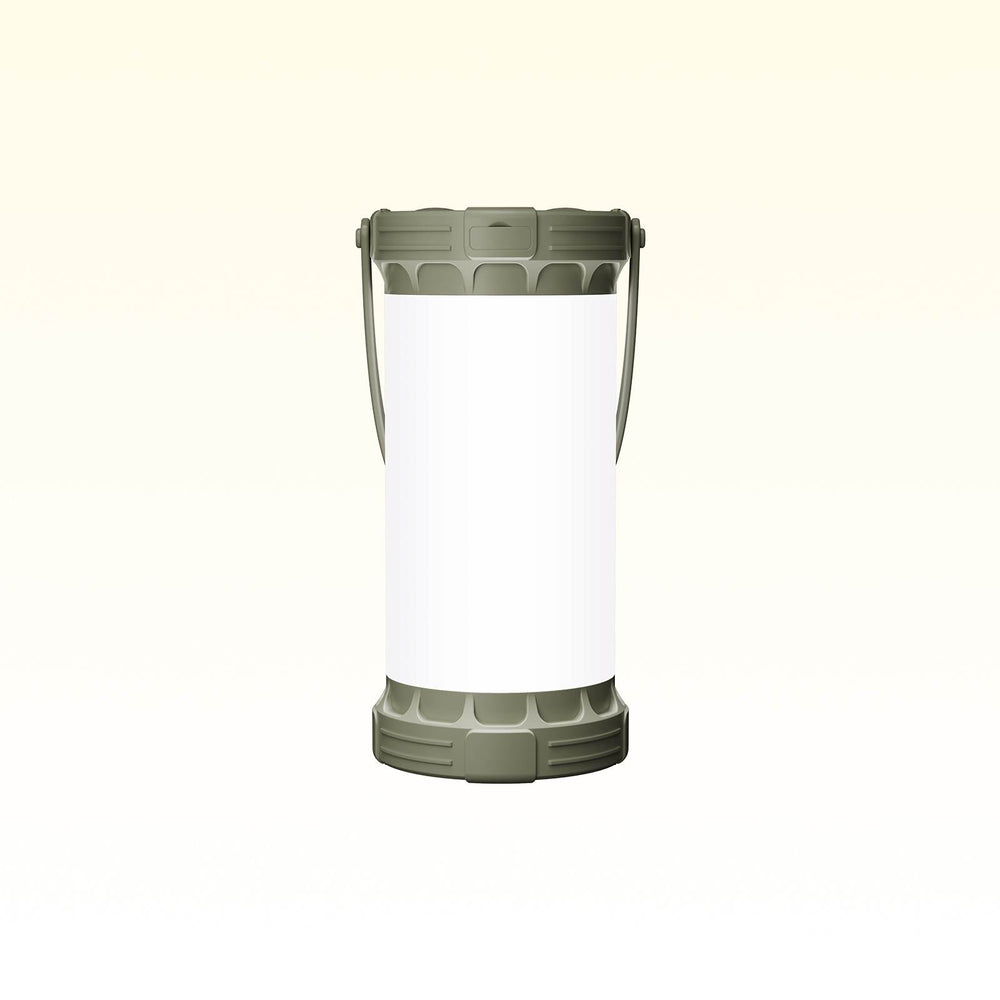
- Best for emergency preparedness with 360° ultra-bright light.
Glocusent Solar Rechargeable Pocket Camping Lantern: pros and cons
- Pro: Stepless brightness adjustment from 15 to 250 lumens.
- Pro: Reverse charging feature allows charging other devices.
- Pro: Compact semi-cylindrical design for versatile placement.
- Con: Lower maximum brightness compared to the 135 LED model.
- Con: Coverage area of 161 ft² is smaller than the 200 ft² of the survival lantern.
Glocusent 135 LED Ultra Bright Survival Camping Lantern & Emergency Light: pros and cons
- Pro: 135 LEDs provide ultra-bright 360° illumination covering 200 ft².
- Pro: Up to 200 hours of runtime on low setting.
- Pro: Designed for emergency and survival situations.
- Con: Brightness range not specified; only five dimmable levels.
- Con: No reverse charging feature mentioned.
Overview of the Glocusent Solar Rechargeable Pocket Camping Lantern
The Glocusent Solar Rechargeable Pocket Camping Lantern features 60 LEDs with a semi-cylindrical design, providing shadow-free light covering 161 ft². It offers five stepless brightness levels from 15 to 250 lumens. The built-in 5000mAh battery charges in 3.5 hours via Type-C and lasts up to 120 hours. It also includes reverse charging capability, though details are not provided by the brand.
Overview of the Glocusent 135 LED Ultra Bright Survival Camping Lantern
The Glocusent 135 LED Ultra Bright Survival Camping Lantern & Emergency Light uses 135 LEDs to deliver 360° ultra-bright, shadow-free light covering 200 ft². It has five dimmable brightness levels. The built-in 5000mAh battery charges in 3.5 hours via USB-C and can last up to 200 hours on low. It is positioned for camping, hiking, night fishing, and emergencies.
Where They Differ
The most notable differences are in LED count (60 vs 135), coverage area (161 ft² vs 200 ft²), and runtime (120h vs 200h). The Solar model offers stepless brightness adjustment and reverse charging, while the 135 LED model does not specify brightness in lumens or reverse charging. The Solar model uses a Type-C port, while the survival lantern uses USB-C. Both share the same battery capacity and charging time.
Which Fits Which Need
Based on the published specs, choose the Solar Rechargeable Pocket Lantern if you need adjustable brightness for reading or close-up tasks and want the ability to charge other devices. Choose the 135 LED Survival Lantern if you prioritize maximum brightness, wider coverage, and longer runtime for campsite illumination or emergency backup.
What Neither Product States
Neither product’s description includes weight, dimensions, or the number of brightness levels beyond five. The Solar model’s name suggests solar charging, but the description only mentions Type-C charging; solar capability is not confirmed. The survival lantern does not specify its lumen output. Both products share the same return and warranty policies as stated by the brand.
See Glocusent Solar Rechargeable Pocket Camping Lantern See Glocusent 135 LED Ultra Bright Survival Camping Lantern & Emergency Light
Frequently asked questions
Which lantern is brighter?
Based on published specs, the 135 LED Survival Lantern has more LEDs (135 vs 60) and covers a larger area (200 ft² vs 161 ft²), but its brightness in lumens is not stated. The Solar model specifies 250 lumens maximum. Without lumen data for the 135 LED model, a direct brightness comparison is not possible from the brand’s information.
Which has longer battery life?
The 135 LED Survival Lantern offers up to 200 hours on low, while the Solar Rechargeable Pocket Lantern lasts up to 120 hours. Both have the same 5000mAh battery capacity, so the difference likely comes from power consumption at different settings.
Do both lanterns use the same charging port?
The Solar model uses a Type-C port, while the 135 LED model uses USB-C. They are physically similar but named differently in the brand’s description.
What is the warranty on these lanterns?
Glocusent offers a 30-day money-back promises for any reason. Additionally, registering the product extends the warranty to 36 months. This applies to both lanterns.
Is the Solar Rechargeable lantern actually solar-powered?
The product name includes ‘Solar Rechargeable’, but the brand’s description only mentions charging via Type-C port. Solar charging capability is not stated in the provided data.